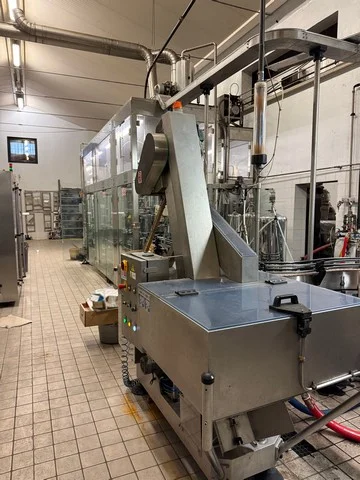
Cames caps orientators
Modello PUNO/E RF
- Produttore
- Cames
- Modello
- PUNO/E RF
- Anno
- 2006
- Velocità
- 5000 PPM
- Condizione
- As Is
- Ubicazione
- Europe
- Codice
- I 83
Rispondiamo in tempo reale con preventivo, foto e dettagli tecnici.
Panoramica
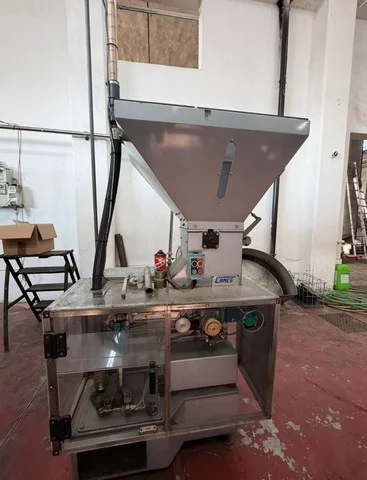
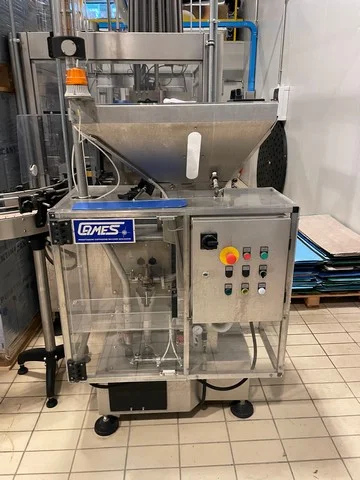
Used Cames PUNO/E RF Caps Orientators of 2006. This specific machine, with the model designation PUNO/E RF, is built to handle corks at a remarkable speed of 5,000 corks per hour. I've seen plenty of these Cames units over the years, and this one, dating back to 2006, is clearly designed with versatility in mind, as it specifically handles both mushroom corks and straight corks. The inclusion of safety protection is a definite plus; anyone looking at second-hand caps orientators for sale knows the value of integrated safety features, especially on equipment of this vintage. This PUNO/E RF model’s ability to process two distinct cork types makes it quite adaptable for facilities dealing with varied product lines. The machine’s reported speed, described as 5,000 corks per hour, translates directly to a high throughput for corking applications. It's not just a generic "caps orientator"; its design explicitly caters to the specific geometries of mushroom and straight corks, which often have different handling requirements due to their shapes and friction properties. The integrated safety protection ensures compliance and operator well-being, which is critical when running at 5,000 corks per hour. This used Cames caps orientators unit, designated as cames puno/e rf 5000 PPM, is currently located in Europe and is offered in 'As Is' condition. For anyone considering used Cames caps orientators, the stated capacity and cork handling capabilities are the core value proposition of this particular PUNO/E RF unit.
Contesto tecnico
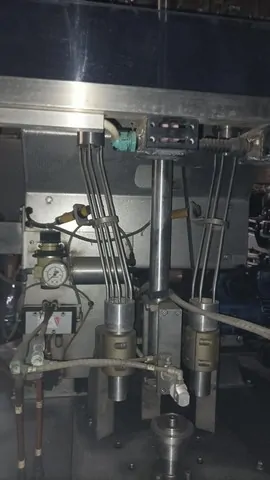
When inspecting this 2006 Cames PUNO/E RF, don't just look at the paint. My first check would be the wear on the rotating disc or bowl. At 5,000 corks per hour, these surfaces see a lot of friction, and excessive wear can lead to inconsistent orientation or cork damage. Specifically, look for gouges or flattened areas in the channels designed to guide the mushroom corks and straight corks. I’d also pay close attention to the drive motor and gearbox – listen for excessive noise or vibration, which points to worn bearings or gear teeth. For a 2006 unit, spare parts like replacement wear plates for the orienting surfaces, drive belts or chains, and common sensors are crucial to ask for. Verify the functionality of the safety protection mentioned; this means cycling E-stops and checking door interlocks to ensure they actually disable machine operation. Don't just trust a sticker. Check the condition of the compressed air lines and any associated pneumatic cylinders if part of the orienting mechanism, as seals can degrade over time. Red flags would be obvious signs of impact damage, patched-up electrical wiring, or missing covers where safety protection should be. Confirm that all necessary adjustment mechanisms for handling mushroom and straight corks are present and not seized. If the orientator uses vibratory feeds, check the condition of the springs and electromagnets. Ask about the last time any major wear parts were replaced. The stated capacity of 5,000 corks per hour is achievable, but it depends heavily on the condition of these detailed components.
Integrazione di linea
When planning to integrate this Cames PUNO/E RF into a production line running at 5,000 corks per hour, the first consideration is ensuring a consistent supply upstream. You'll need a bulk cork depalletizer or hopper feeding into a vibratory feeder that can consistently supply corks to the orientator without starving it or causing backups. Given the 5,000 PPM rate, a substantial accumulation table or buffer before the orientator is crucial to smooth out any upstream interruptions. For downstream, immediately after the orientator, the precisely oriented corks will typically feed directly into a corking machine. The conveyor system leading from the orientator to the capper needs to be designed to maintain cork orientation and prevent re-scrambling; often, this involves narrow U-shaped or channeled tracks. Since this machine handles both mushroom and straight corks, format changeover parts would primarily involve adjustments to the discharge chute and potentially the feeding tracks within the orientator itself. A buyer should certainly request any existing guides, starwheels, or tooling specific to either cork type, and inquire about sensor settings or mechanical stops that define the orientation. Throughput balancing means ensuring the upstream supply can consistently hit 5,000 corks per hour and the downstream corker can match or slightly exceed that rate to prevent bottlenecks. Any accumulation post-corker would serve to buffer for subsequent labeling or packaging processes. Standard rotation is generally clockwise for orientators, but verifying the actual discharge direction is essential for conveyor layout. For a 5,000 PPM machine, even minor alignment issues can cause significant downtime, so ensure easy access for cleaning and minor adjustments.
Descrizione
Model: PUNO/E RF
Year: 2006
Speed: 5,000 corks per hour
Type of cork: mushroom cork and straight cork
Safety protection